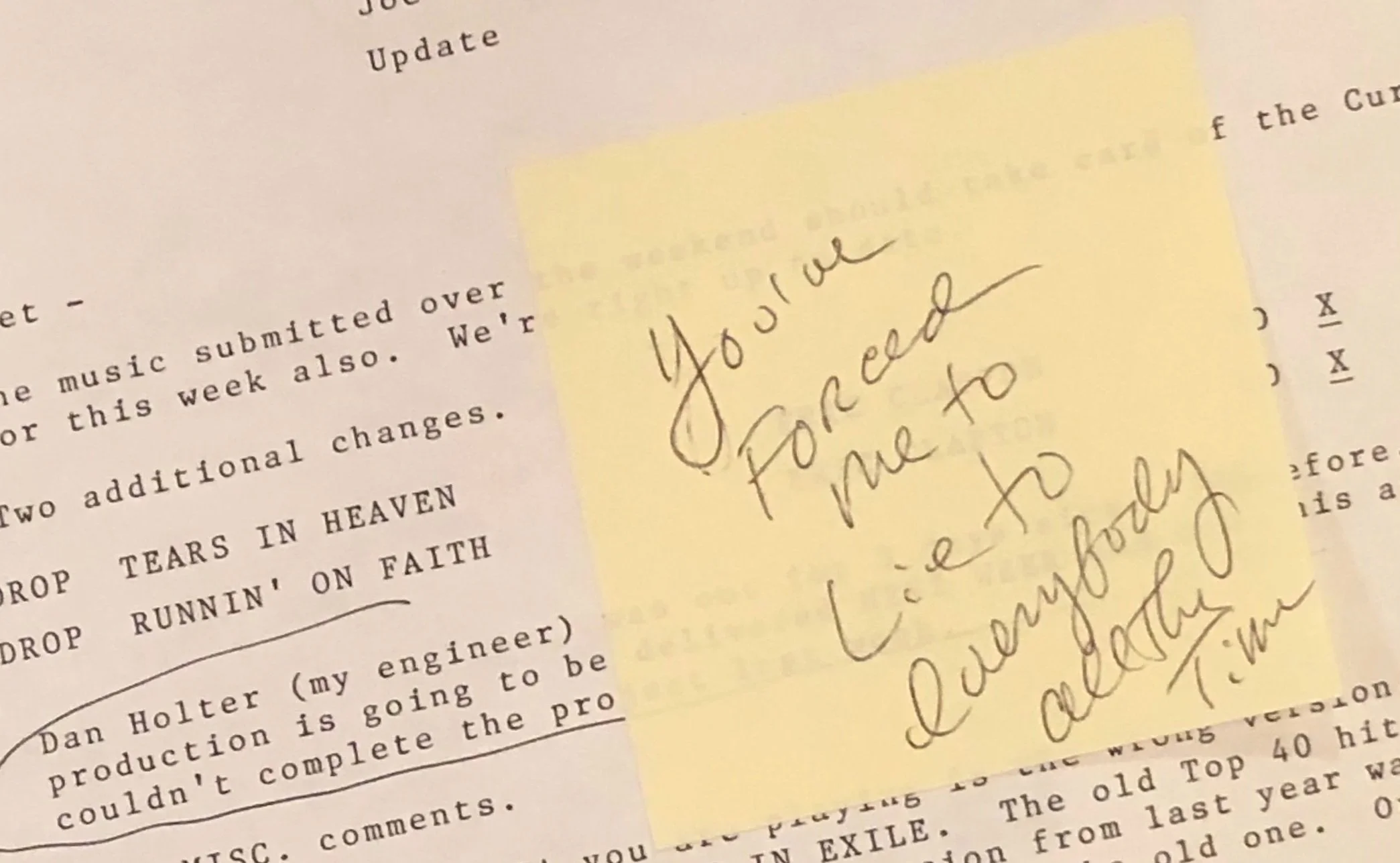
PONTIFICATING ON STUFF

Velvet Rope, Brick Wall
A “sync licensing platform” founder posted on LinkedIn explaining what performance royalties can pay. While the figures were maybe technically accurate, they were also the ceiling, presented as the floor. Here's what you’re actually being sold.

The Full Conversation: Inside the Mind of Daniel Holter
Universal Production Music recently published highlights from an interview I did with their team. With their permission, here's the full Q&A — unedited answers on production music infrastructure, purpose-built label concepts, and what actually gives music long-term value in this space.

Intentionality Is the Strategy
There's a moment that happens when someone walks into a well-considered recording studio for the first time. They slow down a little. They look around. And then they say some version of the same thing: I don't know what it is, but I just want to make music here. That reaction isn't accidental. And it isn't the gear.
There Are Two Music Businesses
The music business is real. So is the business of selling the dream of it. I've taken to calling the second one the Music Dreams Industrial Complex… and it would very much like you to not notice the difference between the two.

I Still Lead With Generosity. Here's What It Cost Me First.
I've been building production music catalogs since 1996. What I describe here isn't the story of someone naive to the music business… it's the story of someone who kept making the same structural mistake while getting better at everything else.

What People Get Wrong About Music Licensing — And Why It Costs Them
Thirty years in. The same five misconceptions. Over and over. Music licensing is opaque from the outside, and there's no shortage of confident-sounding voices willing to fill that gap with things that are partially true, mostly simplified, or just wrong. Here's what actually costs composers time, money, and momentum.
The Music Is Not the Work
The music being good is the entry requirement, not the achievement. I've talked with composers ten albums deep who couldn't understand why their career wasn't moving. The answer was rarely about the music. It was about everything that comes after it.
Why I Do This. Still.
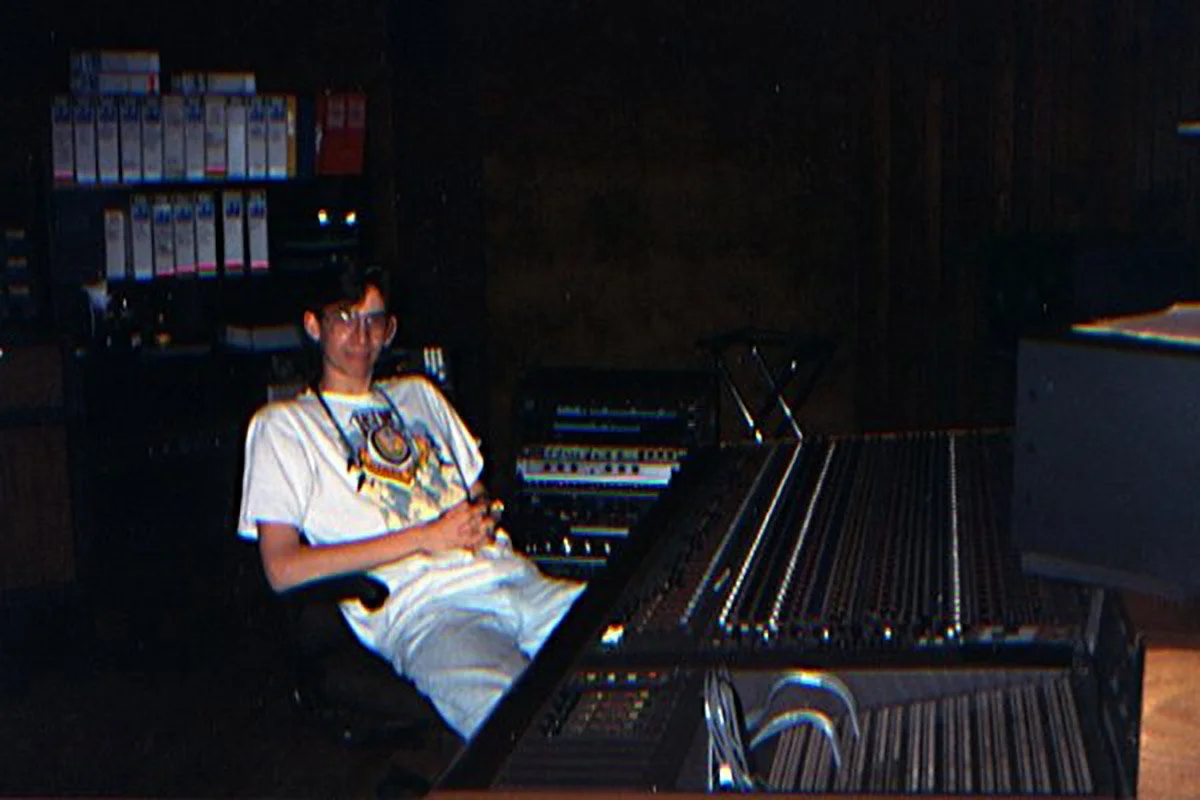
I grew up about a mile from Les Paul's childhood home. We went to the same public school system. I didn't really understand what all of that would mean to me until I'd already given my life to this.

The Long Game
There's a version of sync licensing advice that gets passed around a lot. It's well-intentioned, generally accurate, and built almost entirely around studying the placements of artists who will never be in your situation. Sia. M83. The Black Keys. The Cinematic Orchestra. These are instructive examples if you're trying to understand why a piece of music works in a scene. They're not particularly useful if you're trying to build a production music catalog as a long-term business.
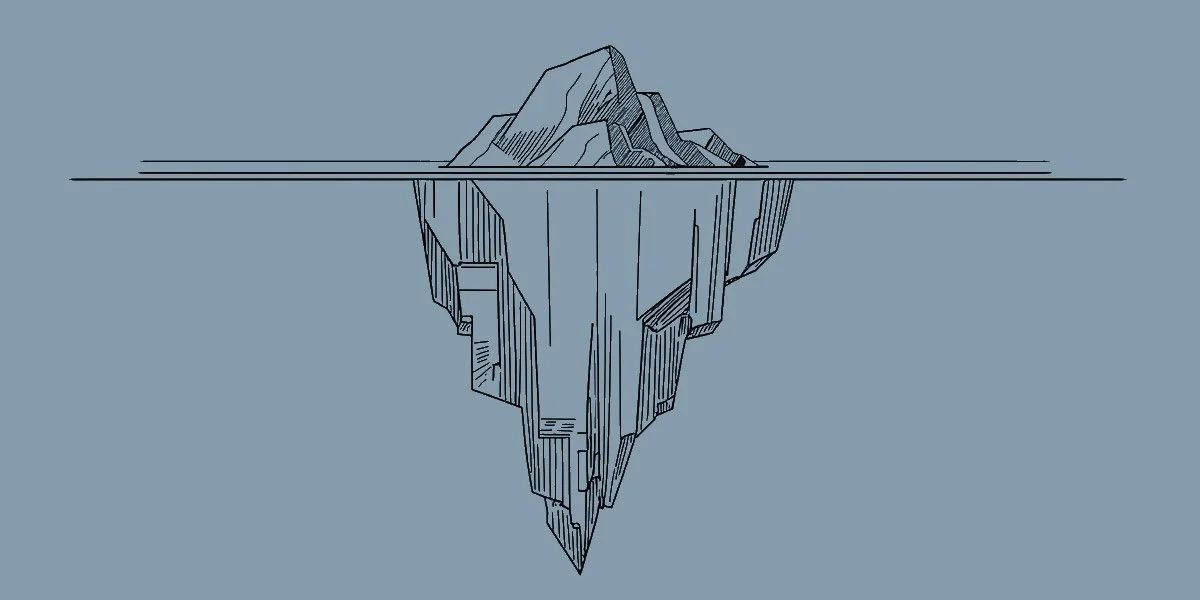
The Version From Inside the Iceberg
The NYT Magazine just ran a major piece on production music and sync licensing. Here's the perspective they couldn't get from the outside—from someone who sold a catalog to Extreme Music.