What a well-APPOINTED STUDIO and a well-built catalog have in common—
and why most people miss it
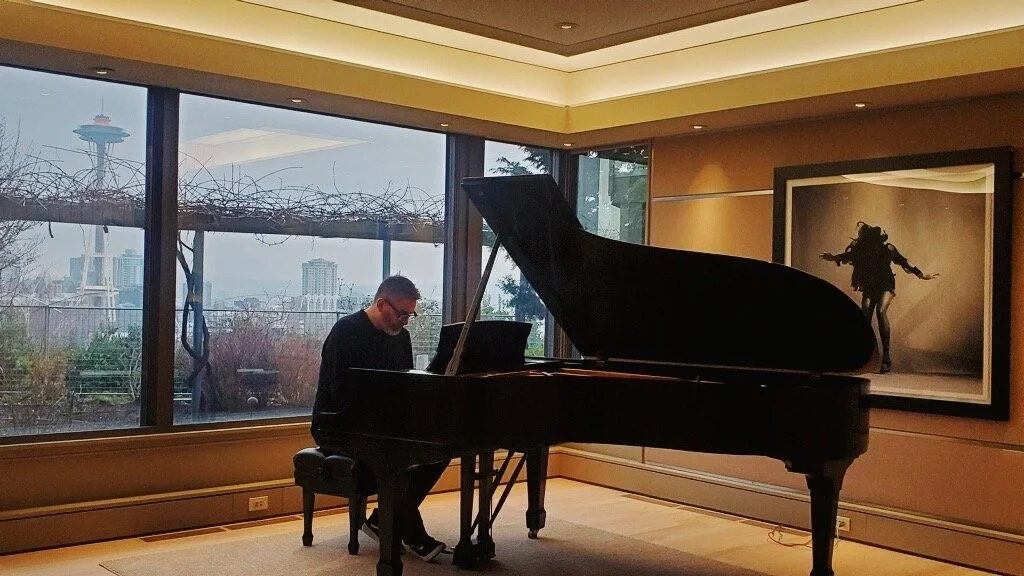
There's a moment that happens when someone walks into a well-considered recording studio for the first time. They slow down a little. They look around. And then they often say some version of the same thing: I don't know what it is, but I just want to make music here.
That reaction isn't accidental. And it isn't the gear.
It's the result of a lot of quiet decisions that almost nobody talks about… decisions that, when you look closely, reveal something about how the person who made them thinks about their work at every level.
I've believed for a long time that recording studios are not in the equipment rental business. We are in the hospitality business. Maybe that sounds like a difference without distinction… but I assure you, the chasm between those two points of view could not be much wider.
Equipment rental means you're selling access to a room and the equipment within.
Hospitality means you're taking responsibility for how people feel when they're in your care.
When a band comes off the road and stumbles in at noon, tired, maybe even frayed, the session doesn't start when the tape rolls. It starts at the door. What do they smell? What do they see? Is the bathroom clean? Are there quality snacks and coffee or tea? Is there something that says, quietly… we were expecting you, and we thought about what you might need?
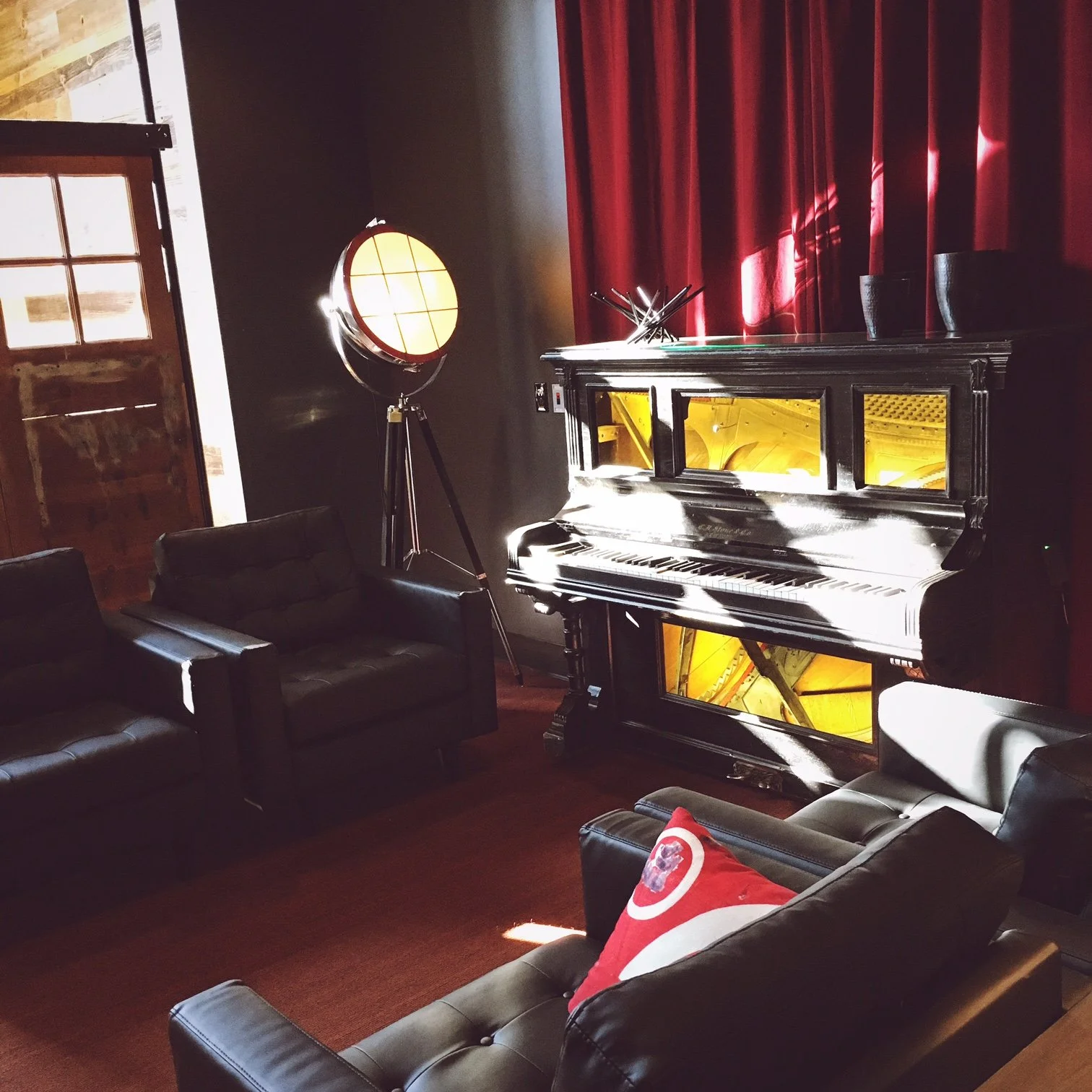
I think about lighting and scent with more care than most engineers would admit to. Love a good lamp, or ten. I use candles… for somewhat obvious reasons (my wife Kate makes her own as part of her yoga business)… and carefully, not overwhelmingly. I keep dry shampoo and cough drops and related sundry things for people who've been traveling and might be here late when nothing's open. These aren't mere afterthoughts… they're the whole point.
The goal is always balance. Too much of any one thing and it becomes about that thing instead of about how the space makes you feel.
This principle isn't all that different from mixing. Too much high-end is a problem. Too much low-end is a problem. Blinding overhead fluorescents are just as wrong as a room you can't see in. An overpowering candle is just as bad as a studio that smells like the last three bands. You're always looking for the point where everything is present and nothing is announcing itself.
When it's right, people can't quite articulate why they feel the way they do. They just know they want to be there. That's the goal. That's always been the goal for me, anyway.
I've spent over thirty years now building recording spaces and developing production music catalogs. With my current company The License Lab alone there are over 600 albums that we’ve shepherded into existence. And the longer I've been doing this, the more clearly I can see that the instincts required to build something durable in this business are the same instincts that make a studio room feel right.
Intentionality over accident. Balance over excess. A coherent point of view, expressed consistently, over time… rather than a scattered response to whatever trend is being hyped this month.
A catalog, like a studio, is communicating something the moment someone encounters it. Music supervisors and licensing directors form impressions fast. They're asking, often unconsciously: does this feel considered? Is there a sensibility here, or just volume? Do I trust that the next album will be as useful and inspiring as the last one?
Those questions are answered by decisions most composers either don't think about or think about too late. What does your catalog actually stand for? Is it coherent, or is it chasing? Does the arc of your output over the past five years tell a clear story? Or does it read like a series of reactions to trend reports, algorithms, and Reddit rabbit holes?
I've watched talented composers lose years to the wrong signals. Not because they lacked ability, but because nobody helped them understand what they were actually building, or why the short-term moves they were making were working against the long-term asset they were trying to create. A catalog built in reaction to last quarter's trend report communicates exactly that… and music supervisors can feel it, even when they can't name it.
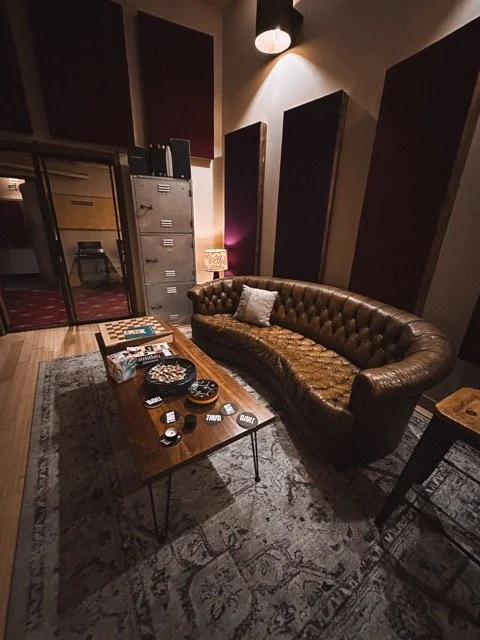
The studios I've admired most over the years—the ones people talk about in reverential tones—got the hospitality right. Not always perfectly, but intentionally. The gear came and went. The vibe stayed. People kept coming back, kept talking about the place, kept doing their best work there.
The catalogs I've seen hold real value over time share the same quality. They weren't built by people who were trying to game a library's submission brief or reverse-engineer what sold last quarter. They were built by people who had a clear sense of what they were making and why, who thought in years rather than months, and who understood that coherence and consistency are not creative limitations—they are the very foundation of a sustainable business.
That is what I bring to the conversations I have with composers and catalog owners who are serious about building something that lasts. Not formulas. Not shortcuts. Not promises about placements. Just a perspective shaped by thirty years of doing this… and a genuine belief that the thinking behind a well-made room and a well-built catalog is, at its core, exactly the same.
Intentionality is the strategy. Everything else follows from that.